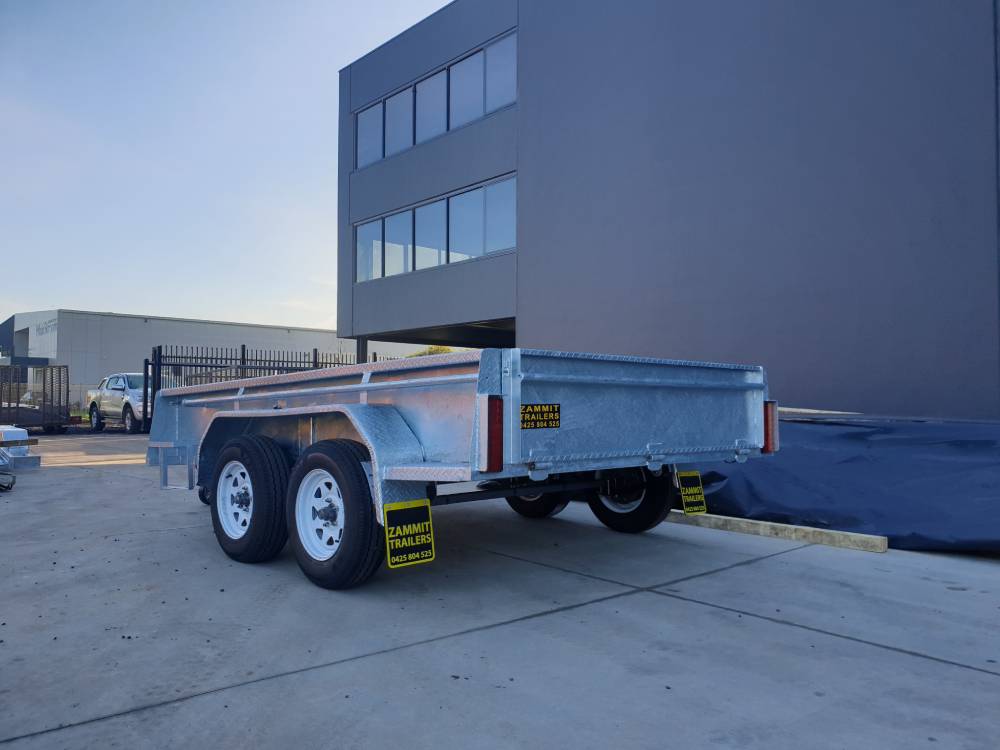

A tipper trailer is an essential piece of equipment in many industries, from construction to agriculture, where heavy-duty hauling and transporting materials are everyday tasks. These trailers, equipped with a hydraulic lifting mechanism, allow operators to easily unload loose materials like sand, gravel, soil, and construction debris. However, like any heavy-duty equipment, tipper trailers require proper maintenance to keep them running efficiently and safely.
Regular trailer maintenance not only extends the life of your tipper trailer but also ensures it operates smoothly, reducing the risk of unexpected breakdowns and costly repairs. In this blog, we will share essential tips for maintaining your tipper trailer to keep it in peak condition, helping your business save money and maximise productivity.
1. Regularly Inspect the Hydraulic System
One of the most important components of any tipper trailer is the hydraulic lifting system. This system is responsible for raising and lowering the trailer bed to dump materials. Over time, hydraulic components can wear out or become damaged, leading to inefficiency or even failure.
What to Check:
- Hydraulic fluid levels: Ensure the hydraulic fluid is topped up and clean. Low or contaminated fluid can cause the hydraulic system to work harder, potentially damaging the pump and cylinders.
- Hoses and connections: Look for signs of wear, cracks, or leaks in the hydraulic hoses. Replace damaged hoses immediately to avoid loss of pressure or hydraulic failure.
- Cylinder condition: Inspect the cylinders for leaks or damage. Worn-out seals can lead to hydraulic fluid leaks and reduce the effectiveness of the tipping function.
For best results, always use high-quality hydraulic fluid that is compatible with your trailer’s system and environment.
2. Maintain the Trailer’s Suspension System
The suspension system of your tipper trailer plays a crucial role in ensuring smooth transportation, especially when carrying heavy loads. It absorbs the shocks and vibrations from the road, providing stability and reducing wear on the trailer’s chassis and tyres.
What to Check:
- Springs and shock absorbers: Inspect the suspension springs for any signs of wear or cracks. Damaged shock absorbers should be replaced to maintain the trailer’s stability and ensure safe loading and unloading.
- Suspension bushings: These should be checked for any cracks or tears. Worn-out bushings can cause excessive movement, leading to misalignment and uneven wear on the trailer.
Regularly lubricate suspension components to prevent rust and corrosion, especially in harsh environments like construction sites.
3. Check and Maintain the Tyres
Your tipper trailer’s tyres carry a significant load and are subject to the wear and tear of constant use. Proper trailer tyre maintenance ensures better fuel efficiency, safer operation, and longer service life for the trailer.
What to Check:
- Tyre pressure: Check the tyre pressure regularly. Underinflated or overinflated tyres can cause uneven wear, reducing the lifespan of the tyres and negatively affecting fuel efficiency.
- Tyre tread depth: Ensure the tread is within legal limits and still provides adequate grip for the loads you’re carrying.
- Signs of wear: Look for cuts, cracks, or bulges in the tyre sidewalls. These could be indications of internal damage, requiring immediate attention.
Regularly rotate your tyres to ensure even wear, especially if you frequently carry heavy loads or work in rough conditions.
4. Clean and Lubricate Moving Parts

Like any piece of machinery, your tipper trailer has moving parts that need regular lubrication to operate smoothly. These parts are constantly exposed to dirt, dust, and debris, which can lead to corrosion, friction, and reduced efficiency.
What to Clean and Lubricate:
- Pivot points and joints: Lubricate the joints and pivot points, especially on the tipping mechanism and tailgate. This prevents excessive wear and helps the trailer’s hydraulic system function properly.
- Tipping bed rails: Clean the rails and lubricate them to ensure the tipping bed operates smoothly. Dirt buildup can prevent the bed from tilting properly.
- Wheel bearings: Regularly grease the wheel bearings to avoid friction, which can lead to overheating and damage.
Use a high-quality grease designed for heavy-duty machinery to ensure durability and long-lasting protection against wear and corrosion.
5. Perform Regular Brake Inspections
The brake system of your tipper trailer is vital for its safe operation, especially when carrying heavy loads. Regular brake inspections and maintenance are essential to ensure that your trailer stops efficiently when needed.
What to Check:
- Brake pads and shoes: Inspect the brake pads and shoes for wear. Replace them if the friction material is worn down to the indicator marks.
- Brake fluid levels: Check the brake fluid levels regularly and top up if needed. Low brake fluid can affect the braking performance, especially under heavy loads.
- Brake lines and hoses: Look for signs of leaks, cracks, or damage in the brake lines. Leaky or damaged brake lines can cause loss of brake pressure, posing a serious safety risk.
Ensure that your brake system is adjusted according to the manufacturer’s recommendations for optimal performance.
6. Check the Frame and Chassis
The frame and chassis of your tipper trailer are the backbone of the trailer’s structure. A strong, undamaged frame is essential for carrying heavy loads and maintaining the trailer’s overall integrity.
What to Check:
- Cracks and rust: Inspect the frame for any signs of cracks or rust. Rust can weaken the structure, leading to failure under load.
- Welds and joints: Check the welds and joints for any signs of wear or loosening. Any damaged welds should be repaired immediately.
Perform a visual inspection of the frame every few months to identify any signs of damage before they become major issues.
7. Regularly Wash the Trailer

Tipper trailers are exposed to harsh elements, including dust, dirt, mud, and debris from the loads they carry. Regular cleaning helps prevent buildup and corrosion, ensuring your trailer stays in optimal condition.
What to Clean:
- Body and bed: Wash off dirt, grime, and residues that can accumulate on the trailer body and tipping bed.
- Chassis and axles: Clean the chassis and axles to remove any buildup of mud or road salt, especially after operating in wet or muddy conditions.
Use a mild detergent and a high-pressure washer to clean your trailer, ensuring no dirt or residue is left behind.
Conclusion
Proper tipper trailer maintenance is essential for ensuring your equipment stays in peak condition, reduces downtime, and operates safely and efficiently. Regular inspections, cleaning, lubrication, and repairs can help extend the life of your trailer and keep it performing at its best.
At Zammit Trailers, we offer a range of high-quality, custom-built tipper trailers designed to suit your specific needs. Whether you’re in construction, landscaping, or agriculture, maintaining your tipper trailer is crucial to getting the most out of your investment.
By following these maintenance tips, you can avoid costly repairs and enhance the productivity of your trailer. Keep your tipper trailer well-maintained, and it will continue to serve you effectively for years to come.


