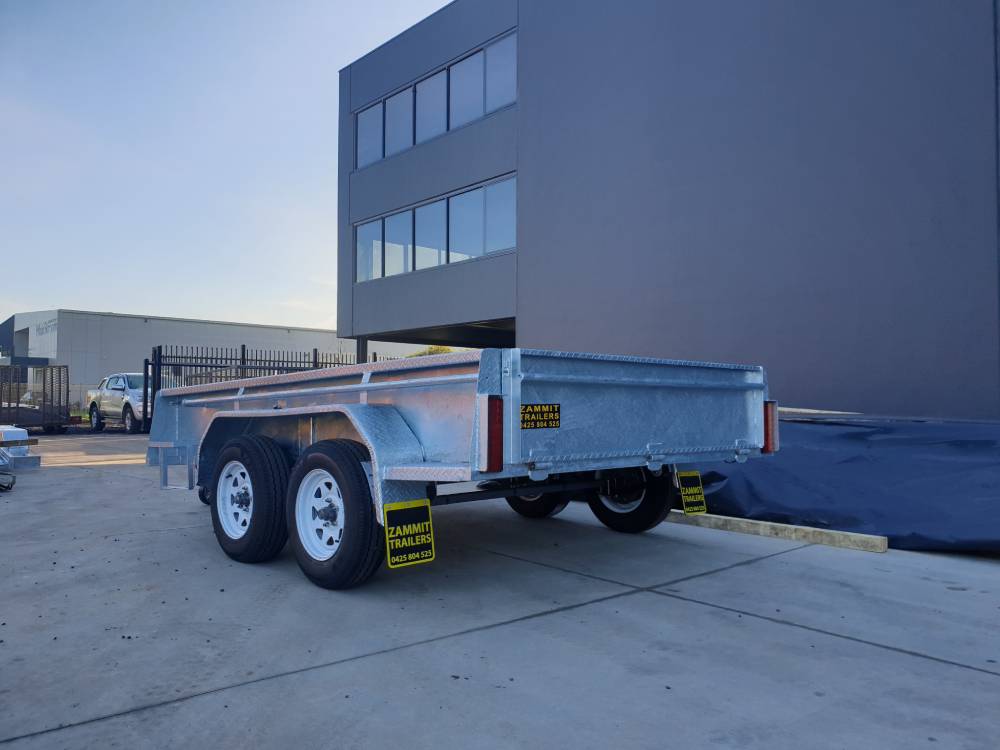

A Practical Maintenance Guide for All Trailer Types
Regular lubrication is one of the most important aspects of trailer maintenance, yet it’s often overlooked. Whether you own an affordable box trailer, flat top trailer, car trailer, plant trailer, tipper trailer, or general purpose trailer, proper lubrication keeps your trailer operating smoothly, safely, and reliably.
Trailer joints, wheel bearings, and hitch components are constantly exposed to friction, load pressure, moisture, dust, and road vibration. Without proper lubrication, these components wear faster and can lead to poor towing performance or unexpected breakdowns.
This guide explains how to lubricate your trailer correctly, why it matters, and how often it should be done—regardless of trailer type or usage.
Why Trailer Lubrication Is Essential
All trailers rely on moving mechanical components to function safely. Lubrication creates a protective layer between metal surfaces, reducing friction and heat while preventing corrosion.
Proper lubrication helps:
- Reduce wear on high-load components
- Improve towing stability and handling
- Minimise noise and vibration
- Protect against rust and moisture damage
- Extend the life of the trailer
This applies equally to light box trailers used for domestic hauling and heavy-duty plant trailers or car trailers used for transport and work purposes.
Trailer Components That Require Regular Lubrication

1. Trailer Wheel Bearings
Wheel bearings support the full weight of the trailer and allow the wheels to rotate smoothly. This is critical for car trailers, tipper trailers, flat top trailers, and plant trailers, which often carry heavier or uneven loads.
Common signs that bearings need attention:
- Grinding or humming noises
- Excessive heat near the wheel hubs
- Wheels that don’t spin freely
- Trailers exposed to water, mud, or dust
If wheel bearings fail, the wheel itself can seize or detach—making lubrication non-negotiable.
2. Trailer Hitch and Coupling
The hitch and coupling are responsible for connecting the trailer to the towing vehicle. These parts experience constant movement, especially when towing box trailers, flat top trailers, or car trailers through turns, stops, and uneven roads.
Lubricating the hitch:
- Prevents metal-to-metal wear
- Reduces squeaking and binding
- Allows smoother articulation
- Protects against corrosion
A dry or worn hitch can affect towing control and vehicle stability.
3. Suspension Joints and Pivot Points
Suspension systems absorb road shock and distribute load evenly across the trailer. This is especially important for plant trailers and tipper trailers, which are regularly exposed to heavy loads and rough surfaces.
Lubrication points may include:
- Spring shackles
- Pivot pins
- Equalisers
- Moving suspension joints
Neglected suspension joints can lead to poor handling, uneven tyre wear, and reduced load control.
Tools Needed for Trailer Lubrication
Before starting, ensure you have:
- A grease gun
- Suitable grease for high-load applications
- Clean rags
- Gloves
- Jack and axle stands
- Wheel chocks
Always work on level ground and follow safe lifting practices, especially when servicing heavier trailers.
How to Lubricate Trailer Wheel Bearings

Secure the Trailer
Park on level ground, engage the handbrake, and chock the wheels.
Lift and Remove the Wheel
Jack up the trailer safely and remove the wheel to access the hub.
Clean Old Grease
Remove all old grease from the hub and bearings. Contaminated grease reduces effectiveness.
Inspect the Bearings
Check for wear, scoring, or discolouration. Damaged bearings should be replaced before reuse.
Apply Fresh Grease
Pack fresh grease evenly into the bearings and hub cavity.
Reassemble
Reinstall the hub and wheel, ensuring correct tightening and alignment.
This process applies to box trailers, car trailers, flat top trailers, and plant trailers alike.
How to Lubricate the Trailer Hitch and Coupling
- Clean the hitch ball and coupling surfaces
- Apply a thin, even layer of grease to contact points
- Move the coupling mechanism to distribute lubrication
- Wipe away excess grease
Avoid over-greasing, as it can attract dirt and debris.
Lubricating Suspension and Pivot Points
If grease nipples are present:
- Locate the grease points
- Pump grease slowly until fresh grease appears
- Wipe away excess
If grease points are not fitted, regular inspection is even more important to detect early wear.
This is particularly important for tipper trailers and plant trailers, which operate under higher stress conditions.
How Often Should Trailer Components Be Lubricated?
Lubrication frequency depends on usage and environment.
General guidelines:
- Light-use box or flat top trailers: every 6–12 months
- Regular work trailers: every 3–6 months
- Trailers exposed to water, dust, or rough terrain: more frequently
Heavily loaded trailers benefit from shorter maintenance intervals.
Common Trailer Lubrication Mistakes to Avoid
- Using incorrect grease types
- Mixing old and new grease
- Over-lubricating components
- Ignoring water exposure
- Skipping inspections during lubrication
Lubrication works best when combined with visual checks and routine servicing.
When Professional Inspection Is Recommended
Seek professional servicing if you notice:
- Persistent noise after lubrication
- Excessive heat around hubs
- Uneven tyre wear
- Loose suspension components
- Visible bearing damage
Early diagnosis helps prevent costly mechanical failures.
Final Thoughts
Proper lubrication of trailer joints, bearings, and hitch components is essential for the safe operation of box trailers, flat top trailers, car trailers, tipper trailers, and plant trailers.
A consistent lubrication routine improves performance, enhances safety, and extends the working life of your trailer—no matter how or where it’s used.


