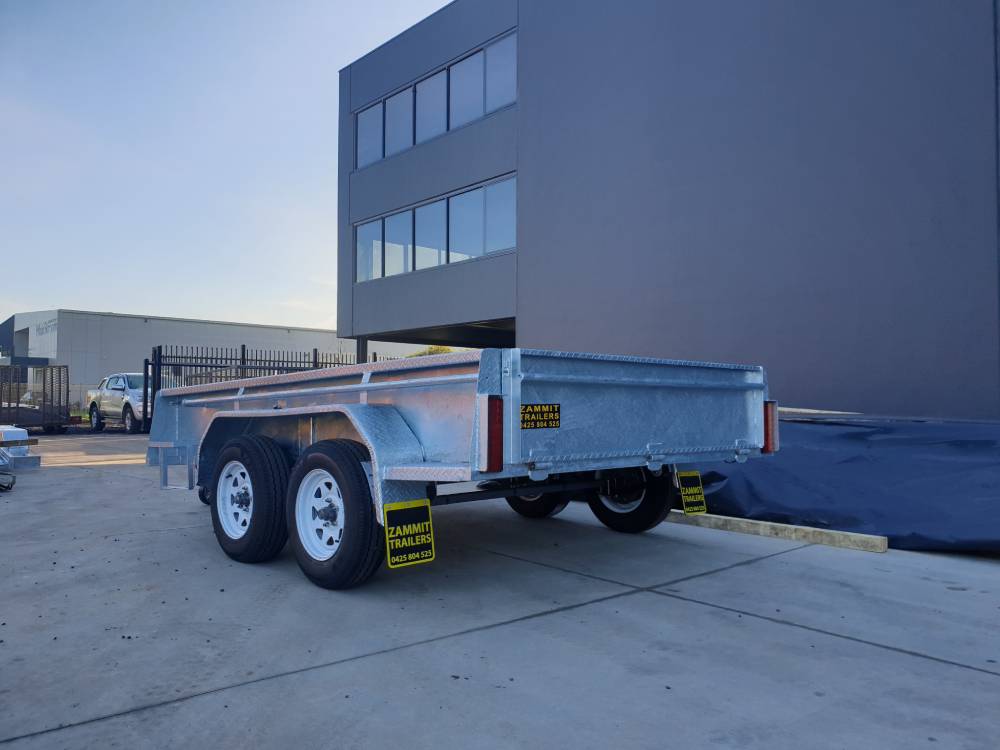

In the fast-moving world of logistics and transport, efficiency and reliability are critical. Whether it’s delivering goods across metropolitan areas or supporting regional supply chains, every component of the operation plays a role — and trailers are no exception.
A reliable trailer is more than just a piece of equipment; it is a key asset that directly impacts productivity, safety, and operational costs. For businesses operating across Australia, particularly in busy hubs like Melbourne, choosing the right trailer can make a significant difference in day-to-day performance.
The Role of Trailers in Logistics and Transport
Trailers are at the core of many logistics operations. They enable the movement of goods, machinery, and materials efficiently across various distances.
From construction equipment to retail deliveries, trailers support a wide range of industries, including:
- Freight and logistics companies
- Construction and trade services
- Agriculture and farming
- Landscaping and maintenance businesses
Given their central role, the reliability of a trailer directly influences how smoothly operations run.
Minimising Downtime and Delays
One of the biggest challenges in logistics is avoiding delays. When a trailer fails — whether due to mechanical issues, structural weaknesses, or wear and tear — it can disrupt schedules and impact customer commitments.
Reliable trailers are designed to withstand demanding conditions, helping reduce the likelihood of breakdowns. This ensures that deliveries stay on track and operations remain consistent.
For businesses managing tight timelines, even minor disruptions can lead to significant consequences. Investing in dependable trailers helps minimise these risks.
Enhancing Safety on the Road
Safety is a top priority in transport operations. Trailers that are poorly built or not suited to the load can pose serious risks, including instability, braking issues, or load shifting.
Reliable trailers are built with safety in mind, offering features such as:
- Strong and stable chassis construction
- Proper weight distribution
- Secure loading systems
- Effective braking mechanisms
These factors contribute to safer transport conditions for drivers and other road users.
Supporting Load Efficiency

Efficient load management is essential for maximising productivity. A well-designed trailer allows businesses to transport goods safely and efficiently without overloading or compromising stability.
Reliable trailers are engineered to handle specific load capacities, helping businesses:
- Optimise each trip
- Reduce the number of journeys required
- Improve fuel efficiency
This level of efficiency is particularly valuable in industries where transportation costs play a significant role in overall expenses.
Reducing Long-Term Costs
While the initial investment in a high-quality trailer may be higher, it can lead to cost savings over time.
Unreliable trailers often require frequent repairs, replacements, or maintenance — all of which add to operational costs.
In contrast, reliable trailers offer:
- Greater durability
- Lower maintenance requirements
- Longer service life
This helps businesses manage expenses more effectively and avoid unexpected disruptions.
Adapting to Different Transport Needs
Logistics operations often involve a variety of transport requirements. From moving heavy equipment to transporting smaller loads, flexibility is essential.
Reliable trailers are designed to meet diverse needs, including:
- Heavy-duty applications for construction and industrial use
- Lightweight solutions for smaller businesses
- Custom configurations tailored to specific operations
This adaptability allows businesses to scale their operations and respond to changing demands.
Maintaining Professional Standards
In logistics and transport, professionalism extends beyond service delivery — it also includes the quality of equipment used.
Well-maintained, reliable custom trailers contribute to a positive business image. They reflect a commitment to quality, safety, and operational excellence.
For companies working with clients or partners, this can play a role in building trust and credibility.
The Importance of Quality Manufacturing

The reliability of a trailer begins with its design and construction. High-quality materials and manufacturing processes are essential for creating trailers that can handle demanding conditions.
Key factors that influence reliability include:
- Durable materials suited to Australian conditions
- Precision engineering and assembly
- Compliance with safety and transport regulations
- Thorough quality control processes
Choosing a manufacturer that prioritises these elements can help ensure long-term performance.
Maintenance Still Matters
Even the most reliable trailer requires proper maintenance. Regular inspections and servicing help keep equipment in optimal condition and prevent minor issues from becoming major problems.
Basic maintenance practices include:
- Checking tyres and pressure regularly
- Inspecting brakes and suspension
- Ensuring secure connections and fittings
- Addressing wear and tear promptly
When combined with a well-built trailer, consistent maintenance supports ongoing reliability.
Why Businesses Choose Zammit Trailers
Zammit Trailers focuses on delivering durable and well-engineered trailers designed for Australian conditions.
With an understanding of the demands placed on logistics and transport operations, the company offers solutions that prioritise strength, functionality, and long-term performance.
From standard models to customised options, Zammit Trailers supports businesses in finding equipment suited to their specific needs.
Future of Logistics and Trailer Reliability
As logistics continues to evolve, the demand for efficient and dependable equipment is only expected to grow. Businesses are increasingly looking for solutions that support productivity while maintaining safety and compliance.
Reliable trailers will continue to play a central role in meeting these expectations, helping businesses adapt to changing industry requirements.
Final Thoughts
In logistics and transport, reliability is not optional — it is essential. Trailers that are built to perform consistently can help reduce downtime, improve safety, and support efficient operations.
Choosing the right trailer is an investment in the long-term success of your business. By prioritising quality and durability, businesses can ensure smoother operations and better outcomes.


