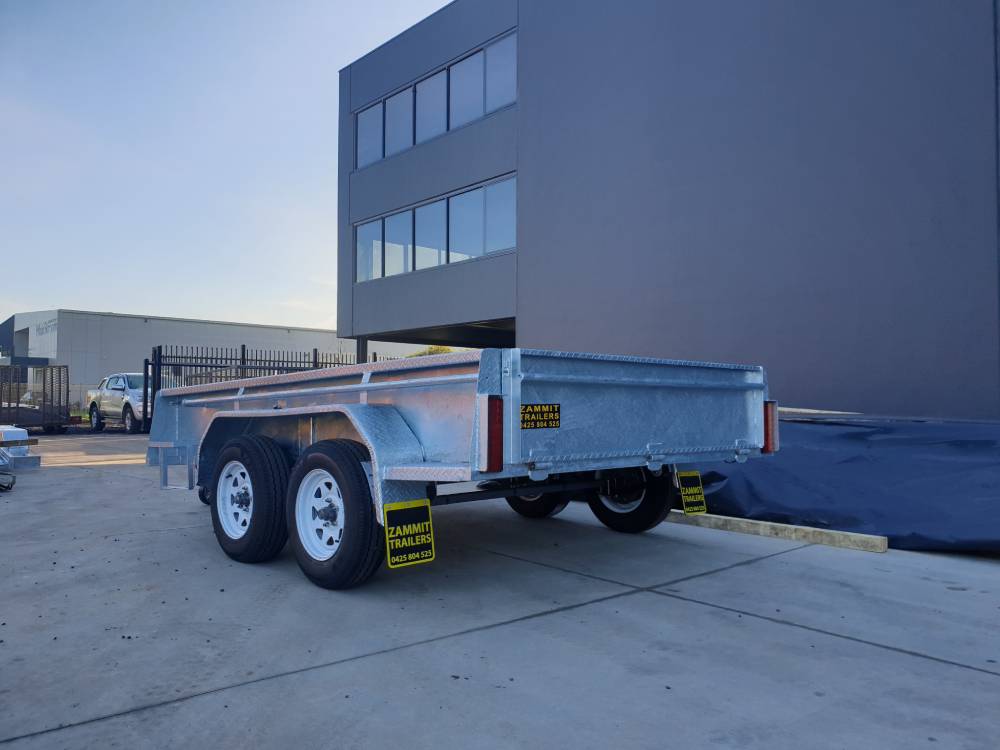

Choosing the right trailer for excavators, skid steers and machinery is not something you should rush. Heavy equipment is expensive, powerful and often moved between job sites every week. The wrong trailer can create safety risks, towing problems, loading difficulties and unnecessary wear on both your trailer and tow vehicle.
For builders, landscapers, earthmoving contractors, concreters and hire businesses, a machinery trailer is more than a transport tool. It is part of the daily workflow. A well-built trailer helps you load faster, travel safely and arrive on site ready to work.
At Zammit Trailers, we manufacture heavy-duty plant trailers, excavator trailers, skid steer trailers and custom machinery trailers in Melbourne. This guide explains what to consider before choosing the right trailer for your equipment.
Start with the Machine You Need to Carry
The first step is understanding the exact machine you want to transport. An excavator, skid steer, mini loader, compactor or access machine can vary greatly in weight, width and balance.
Before choosing a trailer, check:
Machine operating weight
Machine width and track size
Attachment weight
Overall height
Loading angle needed
Tie-down points
How often the machine will be transported
Many people only check the machine weight, but attachments can add a lot to the total load. Buckets, augers, breakers and ramps should all be considered. If you regularly carry different machines, the trailer needs to suit the heaviest and most demanding setup.
Understand ATM, GVM, Tare and Payload
When buying a trailer for machinery, load rating matters. You need to understand a few basic terms.
Tare weight is the empty weight of the trailer.
Payload is how much weight the trailer can carry.
ATM is the maximum loaded weight of the trailer when not connected to the tow vehicle.
GVM or GVM-style ratings are often used to describe the trailer’s maximum loaded capacity.
For example, if a trailer has a 3.5 tonne rating and the trailer itself weighs around 600kg, the carrying capacity will be around 2.9 tonnes. This is why tare weight matters. A lighter but strong trailer gives you more usable payload.
Never choose a trailer that is only just enough for your machine. Allow room for attachments, fuel, mud, tools and future equipment upgrades.
Match the Trailer to Your Tow Vehicle

Your trailer must suit your towing vehicle. A heavy-duty trailer is only useful if your ute, truck or work vehicle can legally and safely tow it.
Check your vehicle’s towing capacity, towball rating, Gross Combination Mass and braking requirements. If your total loaded trailer weight exceeds what the vehicle can safely tow, you may need a smaller machine, a lighter trailer or a larger towing vehicle.
This is especially important for contractors towing excavators and skid steers across Melbourne job sites. Short trips can still create major safety risks if the load is too heavy or poorly balanced.
Choose the Right Axle Setup
Machinery trailers usually need a strong axle setup because they carry concentrated weight. Single-axle trailers may suit lighter loads, but most excavators, skid steers and plant equipment require tandem-axle trailers for better stability and load distribution.
Tandem-axle plant trailers are popular because they offer improved balance, stronger carrying ability and safer towing for heavier machines. For larger or specialised machinery, a custom tri-axle trailer may be the better option.
The right axle setup depends on your machine weight, load distribution, towing distance and site conditions.
Look at Ramp Strength and Loading Angle
Loading is one of the most important parts of machinery transport. A trailer might look strong, but if the ramps are too steep, narrow or weak, loading can become unsafe and stressful.
For excavators and skid steers, the trailer should have heavy-duty ramps designed for the machine’s weight and track width. The loading angle should allow the machine to climb smoothly without scraping, tipping or losing traction.
Skid steers and mini excavators often have different balance points, so ramp design should match the equipment being used. This is where a custom-built trailer can make a big difference.
Check Deck Size and Width
The trailer deck needs to comfortably fit the machine. If the trailer is too narrow, loading becomes difficult. If it is too short, weight distribution may be poor. If it is too large, you may be towing unnecessary weight every day.
A good machinery trailer should provide enough room for the machine and attachments without becoming oversized. Contractors should also think about site access, storage space and turning room.
For compact equipment, a well-designed plant trailer can keep transport efficient without sacrificing strength.
Prioritise Brakes, Couplings and Safety Chains
Machinery trailers place serious demands on braking and towing components. Brakes, couplings, chains, suspension, wheels and tyres should all be rated for the trailer’s intended use.
Electric brakes and breakaway systems are common on heavier trailers and are important for safe transport. Couplings must suit the loaded weight and towing setup. Safety chains should also be correctly rated and fitted.
Do not treat these parts as small details. They are essential safety features that protect your equipment, vehicle, driver and other road users.
Think About Tie-Down Points and Load Restraint
Excavators, skid steers and machinery must be properly restrained during transport. A good trailer should have strong, well-positioned tie-down points that make it easier to secure the load correctly.
The tie-down points should suit the machine’s anchor locations and allow safe restraint from multiple angles. Poor tie-down placement can make loading slower and increase the risk of load movement.
If your business carries machinery daily, better tie-down access can save time and improve safety.
Consider Custom Features for Your Work

Every trade works differently. A landscaper may need space for buckets and attachments. A hire company may need versatile loading options. A builder may need a trailer that can handle multiple machines across different sites.
Useful custom features can include:
Toolboxes
Spare wheel mounts
Custom ramps
Heavy-duty guards
Attachment storage
Non-slip deck options
Winch points
Custom width or length
Stronger suspension upgrades
At Zammit Trailers, custom manufacturing allows you to build a trailer around your work, not the other way around.
Choose Australian-Made Strength
Machinery transport is tough work. Your trailer may travel over rough roads, uneven sites, dirt, mud and heavy-use conditions. That is why build quality matters.
Australian-made trailers are often preferred by contractors because they are designed for local work conditions, Australian compliance requirements and long-term durability. A locally manufactured trailer also gives you easier access to repairs, servicing and custom upgrades.
Zammit Trailers manufactures heavy-duty trailers in Melbourne using quality materials and practical designs suited to commercial and industrial use.
Final Thoughts
Choosing a trailer for excavators, skid steers, and machinery comes down to safety, strength, load capacity and everyday usability. The right trailer should match your machine, tow vehicle, work conditions and future business needs.
Before buying, check the machine weight, trailer payload, axle setup, ramp design, deck size, braking system and tie-down points. If a standard trailer does not properly suit your equipment, a custom machinery trailer may be the smarter long-term investment.
Zammit Trailers builds plant trailers, excavator trailers, skid-steer trailers, and custom machinery trailers for Melbourne contractors who need reliable transport for serious work.
If you need a trailer built for your machine, contact Zammit Trailers today for a free quote and expert advice.


