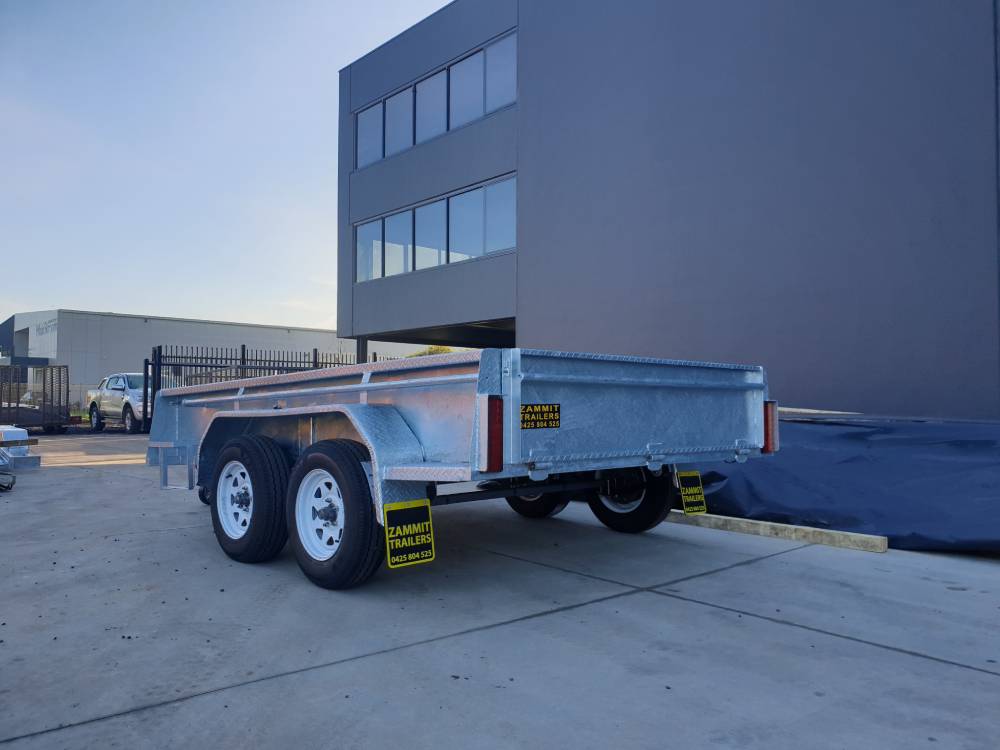

Keeping your trailer roadworthy in Victoria is not just about meeting legal expectations. It is about protecting your vehicle, your load, your business and everyone else on the road. Whether you use a box trailer for weekend jobs, a car trailer for vehicle transport, a plant trailer for machinery or a custom trailer for trade work, regular checks and servicing are essential.
Trailers often work hard but receive less attention than cars or utes. They carry heavy loads, sit outside in harsh weather, travel over rough roads and are sometimes used after long periods of storage. Over time, tyres wear, lights fail, bearings dry out, brakes lose performance, and structural parts can weaken.
At Zammit Trailers, we understand how important reliable trailers are for Victorian drivers, tradespeople, contractors and businesses. Here is a practical guide to help you keep your trailer safe, dependable and roadworthy.
Understand What Roadworthy Means
A roadworthy trailer is one that is safe enough to be used on the road. In Victoria, roadworthy checks focus on safety-related items such as tyres, wheels, brakes, suspension, lights, reflectors and structural condition. The aim is to make sure the trailer is not putting the driver, load or other road users at risk.
Even if your trailer is not due for an inspection, you should still treat roadworthiness as an ongoing responsibility. A trailer can become unsafe between services if it is overloaded, damaged, poorly maintained or used in tough conditions.
Regular trailer maintenance is the easiest way to avoid bigger repair costs and unexpected breakdowns.
Check Your Tyres Before Every Trip
Tyres are one of the most important safety parts on any trailer. Worn, cracked or underinflated tyres can affect stability, braking and load control.
Before towing, check the tyre tread depth, sidewall condition and air pressure. Look for cracks, bulges, flat spots or uneven wear. Uneven wear may indicate alignment issues, suspension problems or incorrect loading.
Remember to check the spare wheel as well. Many trailer owners only discover their spare is flat or damaged when they are already stuck on the side of the road.
If your trailer carries heavy loads, do not wait until the tyres look completely worn. Replace them early to reduce the risk of failure.
Make Sure the Lights and Reflectors Work
Trailer lights are essential for visibility and safety, especially at night, in rain or when travelling on busy Victorian roads. Faulty brake lights, indicators or tail lights can make it difficult for other drivers to understand your movements.
Before each trip, test:
Brake lights
Tail lights
Indicators
Number plate light
Reflectors
Trailer plug connection
If lights flicker or stop working, the issue may be a damaged globe, loose wiring, a corroded plug or a poor earth connection. These problems are common but should never be ignored.
For tradespeople and businesses, a trailer with faulty lights can also look unprofessional and create unnecessary risk on the road.
Inspect Trailer Brakes Regularly

If your trailer has brakes, they must be kept in good working condition. Brakes are especially important for heavy-duty trailers, car trailers, plant trailers and machinery trailers.
Brake systems can wear over time, particularly when carrying heavy loads or travelling long distances. Signs of brake trouble may include poor stopping performance, dragging brakes, unusual noises, uneven braking or the trailer pushing the tow vehicle when slowing down.
Australia’s light trailer standards explain that brake requirements depend on trailer mass, with trailers over 750kg GTM requiring brakes, and heavier trailers requiring braking on all wheels depending on their weight category. Always ensure your trailer’s brake system suits its rated capacity and intended use.
Professional servicing can identify worn brake components before they become a safety problem.
Look After the Wheel Bearings
Wheel bearings are small parts, but they play a major role in safe towing. If a bearing fails while travelling, the wheel can overheat, seize or even come loose.
Common signs of bearing issues include grinding noises, wheel wobble, heat around the hub or rough movement when the wheel is spun. If your trailer has been through water, mud or long-distance travel, the bearings may need attention sooner.
Regular bearing checks and greasing help prevent breakdowns. For trailers used for work, towing machinery or frequent travel, scheduled bearing maintenance is a smart investment.
Check the Suspension and Axles
Suspension and axles carry the weight of the trailer and load. If they are damaged or worn, the trailer may tow unevenly, bounce excessively or wear tyres faster than normal.
Inspect springs, shackles, bushes, bolts and axle components. Look for cracks, rust, loose parts or signs that one side of the trailer sits lower than the other.
If your trailer regularly carries heavy equipment, building materials, vehicles or landscaping tools, suspension checks are especially important. Heavy loads can place extra stress on the trailer, particularly if weight is not distributed properly.
Do Not Overload Your Trailer
Overloading is one of the fastest ways to make a trailer unsafe. Every trailer has a rated capacity, and exceeding it can affect braking, steering, tyres, suspension, chassis strength and towing control.
Know your trailer’s ATM, tare weight and payload. ATM is the maximum loaded weight of the trailer. Tare is the empty trailer weight. Payload is how much weight the trailer can legally and safely carry.
Do not guess the weight of your load. Soil, gravel, machinery, tools and building materials can quickly become heavier than expected. If you regularly carry different loads, speak to a professional trailer manufacturer or repairer about whether your trailer is still suitable.
Secure Your Load Properly

Every trade works differently. A landscaper may need space for buckets and attachments. A hire company may need versatile loading options. A builder may need a trailer that can handle multiple machines across different sites.
Useful custom features can include:
Toolboxes
Spare wheel mounts
Custom ramps
Heavy-duty guards
Attachment storage
Non-slip deck options
Winch points
Custom width or length
Stronger suspension upgrades
At Zammit Trailers, custom manufacturing allows you to build a trailer around your work, not the other way around.
Choose Australian-Made Strength
Machinery transport is tough work. Your trailer may travel over rough roads, uneven sites, dirt, mud and heavy-use conditions. That is why build quality matters.
Australian-made trailers are often preferred by contractors because they are designed for local work conditions, Australian compliance requirements and long-term durability. A locally manufactured trailer also gives you easier access to repairs, servicing and custom upgrades.
Zammit Trailers manufactures heavy-duty trailers in Melbourne using quality materials and practical designs suited to commercial and industrial use.
Final Thoughts
Choosing a trailer for excavators, skid steers, and machinery comes down to safety, strength, load capacity and everyday usability. The right trailer should match your machine, tow vehicle, work conditions and future business needs.
Before buying, check the machine weight, trailer payload, axle setup, ramp design, deck size, braking system and tie-down points. If a standard trailer does not properly suit your equipment, a custom machinery trailer may be the smarter long-term investment.
Zammit Trailers builds plant trailers, excavator trailers, skid-steer trailers, and custom machinery trailers for Melbourne contractors who need reliable transport for serious work.
If you need a trailer built for your machine, contact Zammit Trailers today for a free quote and expert advice.


