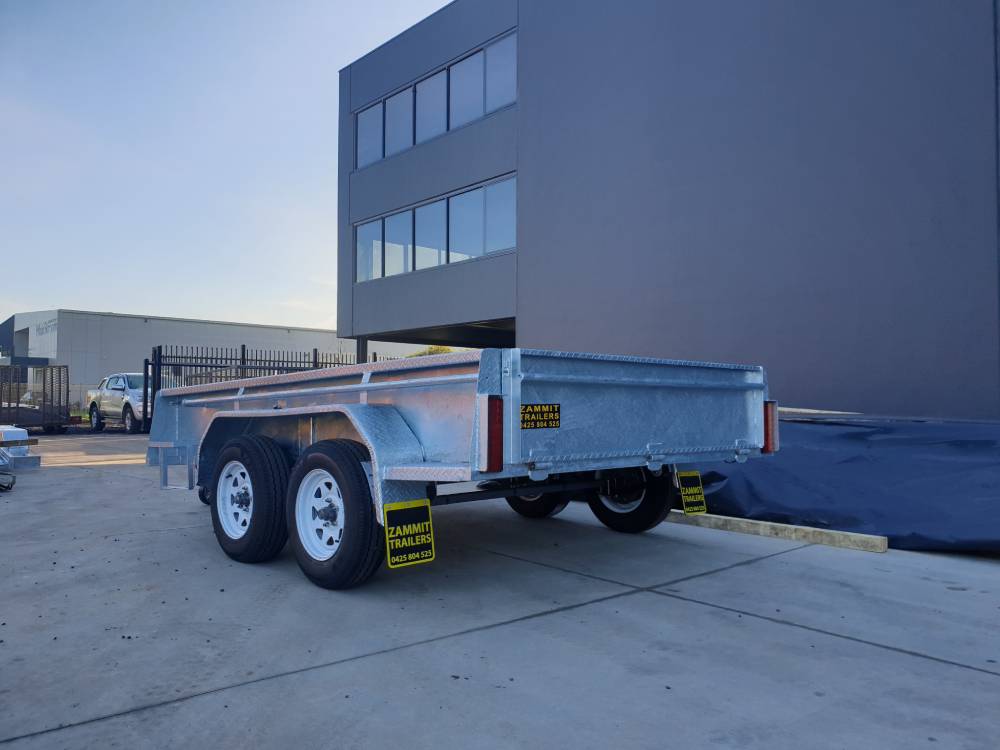

Ordering a custom trailer sounds simple until you start comparing sizes, payloads, braking systems and legal requirements. If you are looking at Custom Trailers Melbourne options, a little planning upfront can save you money, downtime and plenty of frustration later. The right trailer should suit your work, tow safely, last in Australian conditions and make daily jobs easier. Before you place an order, it helps to know exactly what to ask for and what to check.
Start with the job your trailer needs to do
The best custom build starts with a clear use case. A trailer for landscaping work will be very different from one built for machinery, trade tools, vehicles or event equipment. If you try to design around a vague idea, you can end up paying for features you do not need, or missing the ones that matter most.
Think about how you will use the trailer across a normal week, not just on its busiest day. Consider:
- What you will carry most often
- How frequently you will load and unload
- Whether you need rear ramps, side access or drop sides
- If your loads are loose, palletised, awkward or oversized
- Whether the trailer will stay on-road, go off-road, or both
When you speak with a builder, practical details like these are far more useful than simply saying you want a heavy-duty trailer.
Know your load size and payload before ordering a custom trailer
Payload is one of the most important numbers in any trailer build. It tells you how much weight the trailer can safely carry, not including the trailer’s own weight. Many buyers focus on overall trailer size first, but capacity matters just as much.
Start by estimating the real weight of your typical load. Include everything, such as tools, machines, attachments, materials and any add-ons stored in the trailer. Then look at the heaviest likely load, not the lightest.
A few mistakes are common:
- Underestimating the total weight of equipment
- Forgetting fuel, water or accessories
- Choosing a larger body without allowing for tare weight
- Assuming a stronger trailer can override vehicle towing limits
If your work changes seasonally, mention that too. A good custom solution should handle your regular work without pushing limits every trip.
Match the trailer to your tow vehicle
Your trailer only performs as well as the vehicle towing it. Before finalising a design, check your vehicle’s towing capacity, towball download limit, electrical compatibility and braking requirements. This step is often overlooked, especially when buyers are upgrading from a smaller trailer.
You should confirm:
- Maximum braked towing capacity
- Maximum unbraked towing capacity
- Towball mass limits
- Towbar rating
- Plug type and lighting connection
- Brake controller requirements if applicable
A trailer that is too heavy for your vehicle creates safety risks and legal issues. It can also affect braking, steering, tyre wear and insurance coverage. If more than one vehicle will tow the trailer, mention that early so the design can account for the lowest capacity setup.
Choose dimensions that work in the real world
Bigger is not always better. The ideal length, width and height depend on what you carry and where you use the trailer. A trailer that is perfect on paper can become difficult to reverse, awkward to park or too tall for your shed or job sites.
Measure more than the load itself. Think about:
- Garage, workshop or depot clearance
- Access through gates and driveways
- Turning room on site
- Ramp angle for loading equipment
- Side wall height for safe load retention
If you regularly transport machinery, loading geometry matters. A small change in deck height or ramp length can make loading safer and easier. If you are carrying long materials, tie-down placement and drawbar length may matter just as much as tray size.
Understand braking, suspension and axle options
These components have a big impact on safety, ride quality and long-term durability. The right setup depends on the trailer’s gross weight, road conditions and how often it will be used.
Braking systems
Brakes are generally required once a trailer exceeds certain weight thresholds, and heavier trailers may need more advanced systems. Your trailer builder should guide you based on the intended aggregate trailer mass and legal requirements in Victoria and Australia more broadly.
Common options may include mechanical, hydraulic or electric braking systems. The best choice depends on the trailer’s size, tow vehicle setup and operating conditions.
Suspension and axle configuration
Suspension affects stability and how the trailer handles load movement over uneven roads. Axle selection influences weight distribution and carrying capacity. Depending on the application, a single axle may be suitable, or a tandem setup may be the better choice.
If your trailer will see rough worksites, frequent travel or heavy commercial use, these details deserve close attention. They are not minor upgrades. They shape how the trailer performs every day.
Think carefully about materials and build quality
A custom trailer is an investment, so the quality of the build matters. Material selection should suit the trailer’s purpose, expected load and operating environment. Strength is important, but so is corrosion resistance, repairability and long-term reliability.
Ask about:
- Chassis material and thickness
- Body construction methods
- Welding quality and finish
- Protective coatings or galvanising options
- Floor material and durability
- Hardware, hinges and latch quality
Australian conditions can be tough on trailers, especially when they are exposed to rain, coastal air, mud, dust and heavy work use. A well-built Australian trailer is designed with that reality in mind. If you are comparing suppliers, look beyond price alone and assess how the trailer is actually built.
Make sure the design supports safe loading and unloading
Ease of loading can have a direct impact on safety and productivity. A trailer that is hard to load wastes time and increases the chance of accidents, damaged cargo or manual handling injuries.
Depending on your use, practical design features may include:
- Rear ramps or beavertail sections
- Drop-down or removable sides
- Tailgates suited to the load type
- Toolboxes positioned without blocking access
- Tie-down points in useful locations
- Non-slip surfaces where needed
It is worth walking through the full loading process before ordering. Where will you stand? How will the load move into place? Can one person do it safely? Good custom design solves problems before the trailer is built.
Do not overlook compliance and roadworthy requirements
Your trailer must meet Australian Design Rules and relevant state registration requirements. Compliance is not just paperwork. It affects whether the trailer can be registered, insured and used legally on public roads.
Key areas to check include:
- Lighting and reflector placement
- Braking compliance
- Tyre and wheel suitability
- VIN or identification details
- Load ratings
- Safety chains and coupling specifications
If you are ordering for business use, compliance is even more important. Downtime from registration problems can affect jobs and delivery schedules. Working with experienced Trailer Manufacturers Melbourne businesses trust can reduce the risk of costly mistakes.
Plan the right storage, security and accessory features
Accessories should make the trailer more functional, not cluttered. The best add-ons are the ones you will genuinely use every week. Toolboxes, cages, jerry can holders, spare wheel mounts and ladder racks can all add value if they are integrated properly into the design.
Security also matters, especially if the trailer is stored outside or kept on-site. You may want to discuss:
- Lockable storage options
- Coupling locks or wheel security
- Spare wheel protection
- Weather-resistant storage for tools or equipment
- Cage height or mesh options for loose loads
Storage features should not interfere with towing balance, loading access or maintenance points. A clean, practical layout is usually better than adding every possible extra.
Consider maintenance over the life of the trailer
A trailer that looks good on pickup day still needs to be serviceable years later. Before ordering, ask how easy it will be to maintain the trailer and replace wear items. This is especially important for commercial users who rely on their trailer week in, week out.
Think about ongoing checks and servicing for:
- Wheel bearings
- Brakes and cables
- Tyres and wheels
- Suspension components
- Lights and electrical connections
- Rust prevention and coating upkeep
Simple access to service points can make a real difference over time. So can using quality parts that are easy to source locally. When comparing Custom Trailers, ask not only how the trailer is built, but how it will be maintained.
Be clear about budget, lead time and what is included
Custom work is not the same as buying an off-the-shelf trailer, so quotes can vary depending on materials, specifications and finish. A cheaper quote is not always better if it excludes key features or uses lower-grade components.
Ask for clarity on:
- Base price versus optional extras
- Whether registration-related items are included
- Lead time for manufacture
- Deposit and payment terms
- Warranty coverage
- Any after-sales support or adjustments
It helps to set a realistic budget range rather than chasing the lowest number. If your trailer is central to your business, delays or compromises can cost more than the initial saving.
Choose a manufacturer who asks the right questions
A good trailer manufacturer will not rush you into a standard solution if your needs are specific. They should ask how you use the trailer, what vehicle you tow with, what weight you carry and what practical issues you want to solve.
That conversation matters because custom design is rarely about one feature. It is about how the whole trailer works together, from chassis strength to access points, braking, balance and daily usability.
Look for a manufacturer who can explain recommendations clearly and in plain language. You should feel confident that the final build suits your needs, not just the workshop’s easiest option. If you are exploring Custom Trailers Melbourne buyers can rely on, experience, transparency and build quality should all be part of the decision.
Take the time to get the specification right
Ordering a custom trailer is a chance to get exactly what your work requires. That only happens when the specification is based on real use, legal requirements and long-term practicality. The more clearly you define your load, towing setup, site conditions and must-have features, the better the final result.
A well-designed trailer should help you work more safely, load more efficiently and get better value over time. If you are not sure where to start, speak with a team that builds trailers for Australian conditions and understands how to translate day-to-day use into a practical design. The right advice before ordering can save you from years of compromises after delivery.


