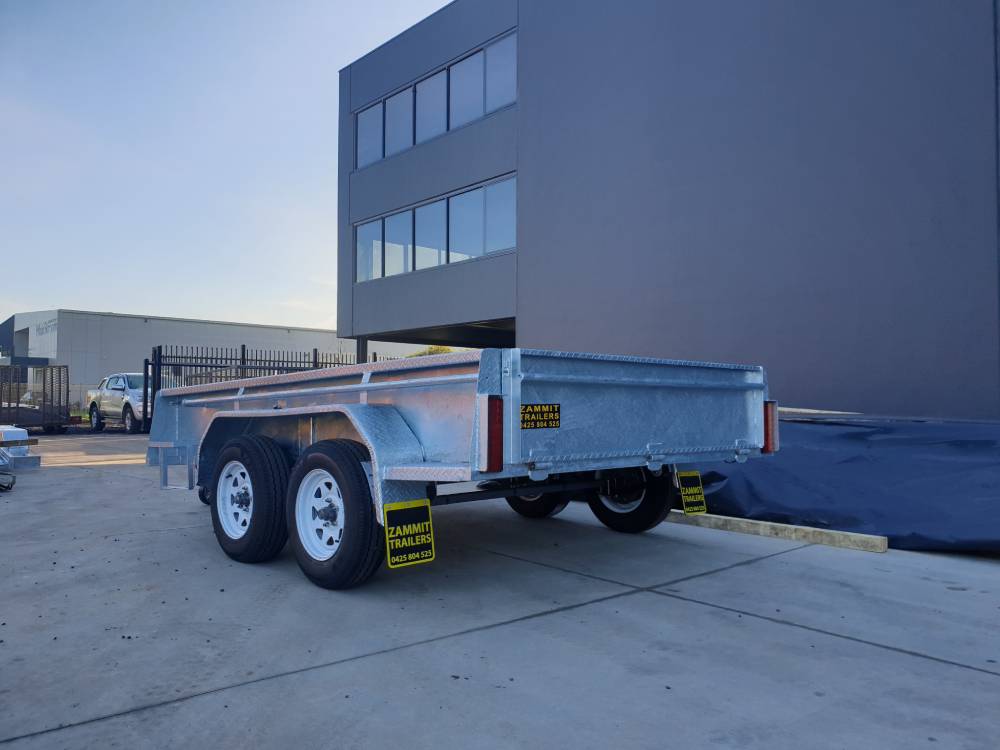

If you are comparing Plant Trailers Melbourne buyers rely on with purpose-built excavator trailers, the right choice comes down to one thing: what you need to carry, how often you move it, and how much flexibility you want day to day. A trailer that works perfectly for a skid steer, scissor lift or small roller may not be the best fit for an excavator with different track width, boom position and weight distribution. Getting the decision right helps you tow more safely, load faster and avoid buying a trailer that limits you six months from now.
For contractors, landscapers, civil crews and equipment owners around Melbourne, the difference is not just the name. Plant trailers and excavator trailers are built with different jobs in mind. Once you understand those differences, it becomes much easier to match the trailer to your machinery and your workload.
Why trailer choice matters more than many buyers expect
A trailer is not just a platform on wheels. It is part of your transport setup, your site workflow and your compliance responsibilities. The wrong trailer can create problems from the start:
- awkward loading angles that slow down every job
- poor weight balance that affects towing stability
- insufficient deck space for attachments or buckets
- payload limits that reduce what you can move legally
- tie-down positions that do not suit tracked equipment
- extra wear on tyres, brakes and suspension
The right trailer, by contrast, feels practical from the first use. Your machine fits properly, loading is predictable, and your crew spends less time adjusting, repositioning and second-guessing the setup.
What a plant trailer is designed to do
A plant trailer is generally built as a versatile equipment trailer for moving a range of machinery and site gear. Depending on the setup, that can include scissor lifts, skid steers, mini loaders, compact rollers, trenchers, access equipment and smaller excavators.
The key advantage is flexibility. A plant trailer often suits operators who transport different machines across the week rather than one dedicated type of equipment. If your work changes from landscaping to civil maintenance to hire fleet transport, a plant trailer can be the more adaptable option.
Many buyers start by looking at Plant Trailers for Sale because they want a trailer that covers several use cases instead of solving only one.
What makes an excavator trailer different
An excavator trailer is designed more specifically around the dimensions, weight profile and loading behaviour of excavators. That matters because excavators are not like most other machines. They tend to have concentrated weight, steel tracks, attachments, and boom placement that can change balance during loading and transport.
Purpose-built Excavator Trailers often focus on features that make excavator transport easier and safer, such as deck layout, ramp strength, load support and tie-down practicality for tracked equipment.
If you mainly move excavators and want a trailer designed around that task first, a dedicated excavator trailer can be the stronger choice.
Plant Trailers Melbourne buyers should compare by equipment type first
Before you compare trailer brands, finishes or optional extras, compare your equipment. That is the quickest way to narrow the right trailer category.
Plant trailer use cases
- mini loaders and skid steers
- scissor lifts and access gear
- small rollers and compactors
- light civil and landscaping equipment
- mixed fleets with changing transport needs
Excavator trailer use cases
- dedicated transport of mini excavators and larger excavators
- tracked machines with concentrated weight
- operators carrying buckets or attachments with the machine
- businesses where excavators are moved daily or near daily
If most of your loads are excavators, a specialist trailer usually makes sense. If your loads vary across several machine types, a plant trailer may give you better all-round value.
Deck size, width and usable space can change the decision
One of the biggest practical differences between trailer types is how usable the deck is for your specific machine. On paper, two trailers can appear similar in length and ATM, but the real-world fit may be very different.
Check the full transport footprint of your machine, not just the brochure weight. Measure:
- overall length including buckets, forks or attachments
- track or tyre width at the widest point
- ground clearance and approach angle requirements
- where the centre of mass sits once loaded
An excavator may physically fit on a general plant trailer, but that does not automatically mean it fits well. You need enough usable space for safe positioning, tie-down access and correct tow ball weight. You may also need room for buckets or accessories without compromising balance.
That is why experienced buyers look beyond overall trailer size and focus on how the deck works with their machine.
Payload and weight distribution are not the same thing
Payload matters, but weight distribution matters just as much. Many towing issues come from loads that are technically within capacity but poorly positioned.
Excavators can be tricky because their weight is not always evenly spread. The boom, cabin, counterweight and tracks all influence how the machine sits. A purpose-built excavator trailer is often designed to account for that, making it easier to place the machine in a stable position.
With a plant trailer, the broader design can be an advantage for mixed machinery, but you still need to confirm that your main equipment can be positioned correctly over the axles.
When comparing options, ask practical questions:
- What is the trailer’s payload once tare weight is considered?
- Where should your machine sit for correct balance?
- Will you be carrying attachments as well?
- Does the deck layout help or complicate load placement?
A trailer that gives you more confidence when balancing real loads is usually the better long-term investment.
Loading angles, ramps and track support affect daily use
The loading process is where trailer design becomes obvious very quickly. A machine that loads smoothly every time saves frustration, reduces risk and keeps jobs moving.
Tracked excavators in particular can be sensitive to ramp angle, ramp strength and deck transition. If the loading angle is too steep or the ramp setup does not suit the machine, loading becomes slower and less controlled.
For mixed equipment, a plant trailer may still do the job well, especially if your machines are compact and easy to load. But for frequent excavator transport, details like ramp configuration and deck support can make a big difference over time.
Think about your normal routine:
- Are you loading on uneven ground?
- Do different operators use the trailer?
- Are you transporting tracked machines every day?
- Do you need quick loading between multiple sites?
If the answer is yes to most of those, a more specialised setup is often worth it.
Tie-down points and restraint options should match the machine
Load restraint is not something to treat as an afterthought. The right tie-down points need to be positioned for the machine you actually carry, not just included as a basic feature.
Excavators need secure restraint that works with their frame, tracks and attachments. Plant trailers used for mixed machinery also need flexible restraint positions because different machines have different anchor points and footprints.
Good trailer selection means looking at:
- the number and placement of tie-down points
- ease of access once the machine is on the deck
- whether attachments can be restrained properly
- how practical the setup is for repeated daily use
A well-designed restraint layout saves time and supports safer transport. It also reduces the temptation to improvise, which is where problems start.
How often you transport equipment should guide the trailer you buy
Frequency matters. A trailer used once a fortnight can be chosen differently from one used every day across Melbourne suburbs, civil sites and regional jobs.
Occasional transport
If you move equipment less often and the trailer needs to serve several roles, a plant trailer may be the more sensible choice. It gives you flexibility without locking you into one machine type.
Regular excavator transport
If your business centres on excavators and they are on the road constantly, a dedicated excavator trailer can deliver better day-to-day efficiency. Loading, balancing and securing the machine becomes more straightforward, which helps both productivity and towing confidence.
Your buying decision should reflect actual usage, not just what might happen once or twice a year.
Think about future equipment, not just what you own now
A common mistake is buying only for the current machine. That can work in the short term, but it may create limits later if your fleet changes.
You might start with a mini excavator and add a larger unit next year. Or you may begin with one type of compact plant and later need to carry a broader range of gear. If that is likely, choose a trailer with enough practical capacity and versatility to support the next stage of your business.
That does not mean overspending on a setup far beyond your needs. It means being realistic about where your work is heading. A trailer should solve today’s transport needs while giving you room to grow.
Comparing flexibility versus specialisation
For most buyers, the decision comes down to a trade-off between flexibility and specialisation.
Choose a plant trailer if you want
- one trailer for several types of machinery
- versatility across landscaping, hire, trade or civil work
- a practical all-round equipment transport solution
- more adaptability as your workload changes
Choose an excavator trailer if you want
- a trailer built mainly for excavator transport
- better alignment with tracked machine loading and restraint
- a setup that suits frequent excavator movement
- more confidence when carrying excavators as your core load
Neither option is automatically better. The better choice is the one that matches your main machine, towing routine and future plans.
What to check before making a final decision
Before you buy, take a practical approach. Bring the discussion back to real equipment, real jobs and real towing conditions.
- Confirm the exact machine dimensions. Measure width, length, operating weight and attachment requirements.
- Review how often you transport it. Daily transport and occasional transport can justify different trailer setups.
- Consider your full load. Include buckets, augers, fuel and other accessories if they travel with the machine.
- Check compatibility with your tow vehicle. Trailer performance depends on the full combination, not the trailer alone.
- Assess loading conditions. Think about ramps, site access and whether ground conditions vary.
- Plan for the next few years. If your fleet is likely to change, buy with that in mind.
If you are unsure, comparing your machine specs with available Plant Trailers Melbourne suppliers offer, alongside dedicated excavator models, is the clearest way to avoid a mismatch.
The right trailer is the one that fits your work
Choosing between a plant trailer and an excavator trailer is really about fit. Fit for your equipment. Fit for your towing setup. Fit for the type of work you do every week.
If you carry a range of machines and need flexibility, a plant trailer is often the smarter option. If excavators are the main load and you want a trailer designed around that specific job, an excavator trailer is usually the better choice.
The best buying decisions are not based on labels alone. They come from understanding how your machine sits, loads, travels and gets used across the life of the trailer. Once you look at those details clearly, the right choice becomes much easier to make.


