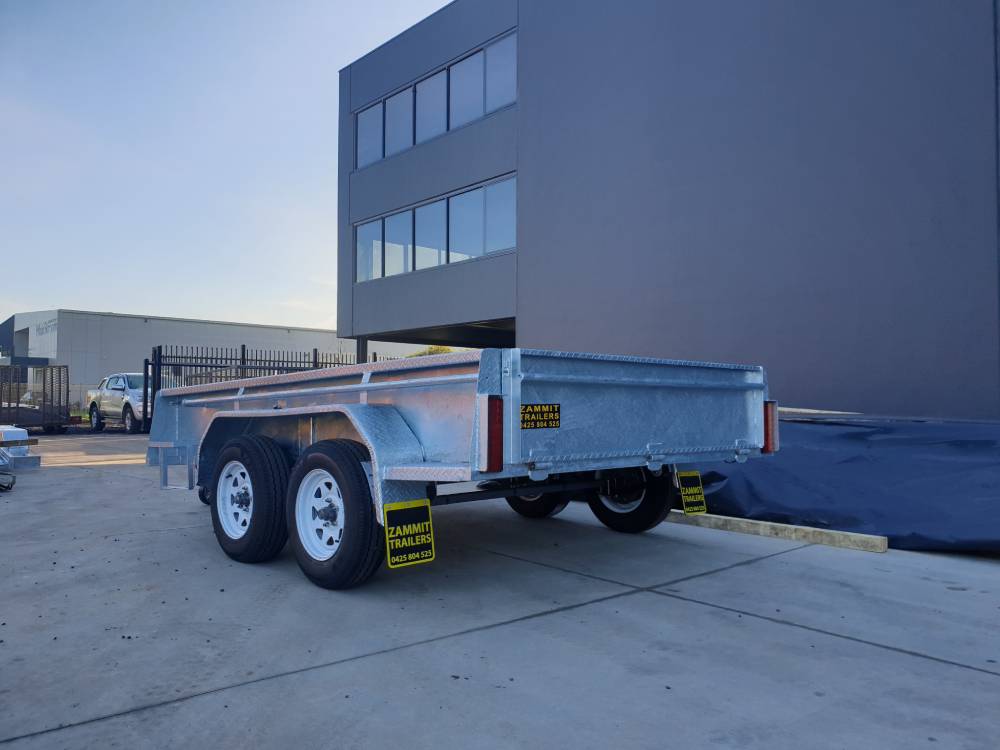

Choosing between different Trailers Melbourne buyers rely on can feel harder than it should be. You know what you need to carry, but you may not know which trailer type actually suits the job. That is where a bit of practical guidance helps. Whether you are moving tools, transporting a vehicle, carrying stock, or heading away for the weekend, the right trailer makes towing safer, easier and more cost-effective.
In this guide, we will walk through the main trailer types people ask about most: car trailers, box trailers, enclosed trailers and motorcycle trailers. We will also cover how to match a trailer to your load, your tow vehicle and the way you plan to use it, so you can make a confident decision without paying for features you do not need.
Why choosing the right trailer matters
A trailer is not just a platform on wheels. The right design affects how safely your load travels, how easy it is to tow, and how long the trailer will serve you well. If you choose a trailer that is too small, too light-duty or not suited to the load, you can end up with handling problems, avoidable wear, and frustration every time you use it.
On the other hand, when the trailer matches the job, everything works better. Loading is simpler. Weight is distributed properly. Tie-down points are where you need them. The trailer feels more stable on the road. You also protect the load itself, especially when carrying equipment, bikes or goods that should stay clean and dry.
That is why the first step is not asking, “What is the cheapest trailer?” It is asking, “What do I need this trailer to do most often?”
Start with the job, not the trailer style
Many buyers start by looking at trailer categories, but it is smarter to begin with the actual job. Think about what you will carry 80 per cent of the time, not just the occasional one-off load.
- For bulky general loads, a box trailer is often the practical choice.
- For moving a vehicle, a car trailer is built for that specific task.
- For secure, weather-protected transport, an enclosed trailer usually makes more sense.
- For transporting bikes, a motorcycle trailer is the safer and easier option.
You should also think about how often you will use the trailer. Someone towing every week for work needs a different setup from someone doing the odd weekend run to the tip or a yearly move. Frequency, road conditions, load type and storage space all influence what will suit you best.
Trailers Melbourne buyers usually compare first
When people search for Trailers Melbourne, they are often comparing a few broad options before they know which category fits. The most common choices are open trailers and enclosed trailers, plus specialist designs for cars or motorcycles.
Open trailers, including box trailers and car trailers, are versatile and generally easier to load from multiple sides. They are a strong choice when weather protection is not a priority. Enclosed trailers offer security and protection from the elements, which matters if the load is valuable, sensitive or customer-facing. Motorcycle trailers and car trailers are more purpose-built, which gives you better support, safer loading and improved towing performance for those specific applications.
The key difference is not just shape. It is how the trailer supports the load, controls weight distribution, and helps you load and unload safely.
When a car trailer is the right fit
If you need to transport a vehicle, a dedicated car trailer is usually the safest and most efficient choice. These trailers are designed to support the dimensions, weight and loading requirements of cars, rather than asking a general-purpose trailer to do a specialist job.
A proper car trailer typically offers features such as ramps, a suitable deck configuration, tie-down points and a structure built for vehicle transport. That makes loading more straightforward and helps keep the vehicle stable during travel.
If your main job is moving cars between sites, taking a vehicle to events, transporting project cars, or helping with breakdown recovery, it is worth looking at Car Trailers built for that purpose.
Who usually benefits from a car trailer?
- Mechanics and workshops
- Car enthusiasts
- Motorsport participants
- Dealers and transport operators
- Anyone needing occasional private vehicle transport
If the load is a car, purpose-built equipment is usually the better long-term decision.
Why box trailers are so popular
Box trailers remain one of the most useful and flexible options on the market. They suit a wide range of everyday jobs, from moving furniture and garden waste to transporting tools, supplies and business materials. For many households and trades, a box trailer covers more jobs than any other trailer type.
The open-top design makes them easy to load, while the sides help contain loose or bulky items. They are often the first trailer people buy because they balance versatility, simplicity and value.
If you need a practical all-rounder, it is worth exploring Box Trailers Melbourne customers use for both personal and commercial work.
Common uses for a box trailer
- Household moves
- Tip runs and green waste
- Trade tools and materials
- Landscaping supplies
- Small machinery or equipment
- Camping gear and weekend loads
The main limitation is exposure. If the load needs security or weather protection, another trailer type may be a better match.
When an enclosed trailer makes more sense
An enclosed trailer gives you something open trailers cannot: protection. If you transport goods that need to stay dry, clean or out of sight, an enclosed design is often the smarter option. This is especially relevant for businesses carrying stock, equipment or tools, as well as private owners moving valuable items.
Because the load is fully contained, enclosed trailers can also present a more professional image for business use. If you are arriving at customer sites with organised, protected equipment, that matters.
For buyers who need security, storage and presentation in one package, Enclosed Trailers Melbourne buyers choose are well worth considering.
Enclosed trailers are often ideal for:
- Mobile businesses
- Event equipment transport
- Trades carrying valuable tools
- Retail or market stock
- Furniture or goods that should stay protected from weather
They are not always the lightest or cheapest option, but for the right use case, the extra protection is worth it.
Motorcycle trailers are built for a very specific job
Transporting a motorcycle safely is different from towing general cargo. Bikes need stable support, secure tie-down positions and a layout that makes loading less awkward. A purpose-built motorcycle trailer helps reduce the risk of movement during transport and can make one-person loading much easier.
If you ride regularly, attend track days, transport multiple bikes, or need a safer solution than improvised setups, a dedicated trailer is the logical choice. It is not just about convenience. It is about protecting the bike and making transport less stressful.
That is why many riders look specifically at a Motorcycle Trailer Melbourne customers can depend on for secure, straightforward towing.
Think about load size, weight and shape
One of the biggest mistakes people make is choosing a trailer based only on what fits physically, without considering weight and load characteristics. A load can fit inside a trailer and still be a poor match if it is too heavy, too tall, too uneven or too difficult to secure properly.
Before deciding, ask yourself:
- How heavy is the load when fully packed?
- Is the weight evenly distributed or concentrated in one area?
- Does the load need side support or full enclosure?
- Will you need ramps for loading?
- Can the load be tied down securely?
- Is weather exposure a problem?
For example, loose garden material and household junk may be fine in a box trailer. A vehicle needs a car trailer. Sensitive equipment may be better in an enclosed trailer. A road bike or dirt bike should be carried on a trailer designed to support motorcycles properly.
Matching the trailer to the shape of the load is just as important as matching it to the weight.
Match the trailer to your tow vehicle
The trailer you want and the trailer your vehicle can tow are not always the same thing. Before choosing anything, check your tow vehicle’s towing capacity and make sure the trailer and expected load stay within those limits.
This matters for safety, legal compliance and day-to-day drivability. An oversized trailer behind an undersized vehicle can create unstable handling, longer braking distances and unnecessary strain on the vehicle itself.
Keep these points in mind:
- Towing capacity must suit the trailer plus the load.
- Tow ball download needs to be within the vehicle’s limits.
- Trailer dimensions should suit your confidence level and normal driving environment.
- Braking requirements may vary depending on trailer size and loaded weight.
If you are towing in metro traffic, reversing into tight spaces, or storing the trailer at home, trailer size and manoeuvrability matter just as much as carrying capacity.
Consider how and where you will use it
The best trailer on paper may not be the best trailer for your real-world use. Think about your day-to-day conditions. Will you mostly tow short distances around Melbourne? Will the trailer go to worksites, highways, farms or event locations? Will it be parked outside? Will multiple people use it?
These practical details influence the right choice more than many buyers expect. For example:
- A tradie may value quick access and easy loading over full enclosure.
- A market operator may prioritise secure storage and weather protection.
- A rider may want the simplest possible loading setup for solo use.
- A household may want one versatile trailer for occasional jobs.
It is also worth thinking ahead. If your trailer needs are likely to grow, it can make sense to choose a trailer that gives you a bit more flexibility now rather than outgrowing it quickly.
Do not overlook build quality and durability
Two trailers can look similar at a glance and perform very differently over time. Build quality affects longevity, towing behaviour, maintenance and reliability. If you are comparing options, pay attention to the structure, materials, finish and overall workmanship.
A well-built trailer should feel solid and fit for purpose, not flimsy or compromised in key areas. This matters even more if the trailer will be used regularly, carry valuable loads, or work in demanding conditions.
Better durability usually means better value over the long run. A trailer that keeps doing the job properly year after year is often the more economical choice than a cheaper option that creates maintenance headaches or needs early replacement.
For Melbourne buyers, choosing a trailer designed for local conditions and practical Australian use is often the safest path.
Budget for value, not just the lowest price
Price matters, but it should not be the only deciding factor. The cheapest trailer is not always the most affordable once you factor in usability, durability and whether it actually suits your needs. Buying the wrong trailer can cost more than buying the right one the first time.
Instead of focusing only on purchase price, weigh up the full value:
- Will it handle your main job properly?
- Will it save time when loading and unloading?
- Will it protect valuable cargo?
- Will it hold up to regular use?
- Will it still suit your needs in a few years?
If you use the trailer for work, reliability and efficiency directly affect productivity. If you use it privately, ease of use and flexibility make ownership far more worthwhile.
How to narrow down the right trailer for your needs
If you are still deciding, a simple process can help you narrow it down quickly.
- List your most common load rather than the rare exception.
- Estimate loaded weight honestly, not just empty item weight.
- Decide if the load needs protection from weather or theft.
- Check your tow vehicle limits before comparing trailer sizes.
- Think about loading, including ramps, access and tie-downs.
- Choose purpose-built if the trailer will serve a specialised job often.
As a quick guide:
- Choose a box trailer for flexible general use.
- Choose a car trailer for transporting vehicles.
- Choose an enclosed trailer for security and weather protection.
- Choose a motorcycle trailer for safe, stable bike transport.
The right trailer is the one that suits your actual tasks, not the one with the longest feature list.
Find a trailer that works for the long term
Buying a trailer should solve problems, not create new ones. When you choose based on the load, the towing setup and the way you really plan to use it, the decision becomes much clearer. A box trailer suits plenty of everyday jobs. A car trailer is the right tool for vehicle transport. An enclosed trailer adds protection and security. A motorcycle trailer gives bikes the support they need in transit.
If you are comparing Trailers Melbourne buyers trust, focus on practicality first. Think about what you carry, how often you tow, and what will make the job safer and easier every time. A well-matched trailer is not just easier to own. It works harder for you over the long term.
If you are unsure which trailer category best fits your needs, getting advice from a knowledgeable local manufacturer can help you avoid guesswork and choose with confidence.


