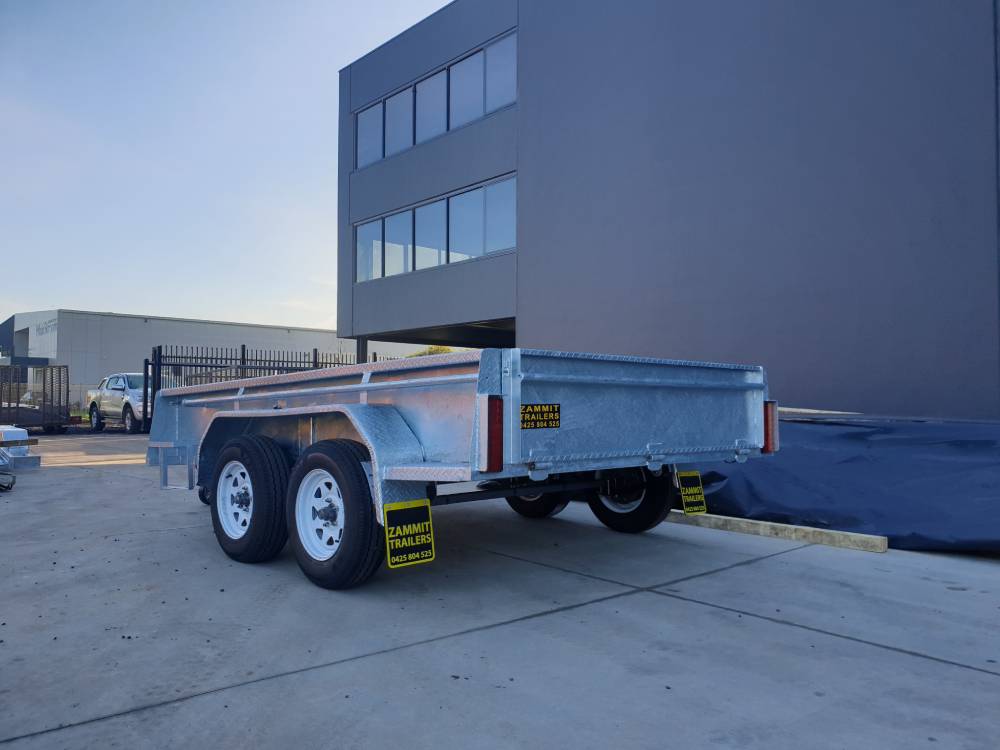

Small trailer problems rarely stay small for long. If you use your trailer for work, weekend jobs or regular transport, knowing when to book Trailer Repairs can save you from breakdowns, damaged loads and bigger workshop bills later on. Many issues start with simple warning signs: odd noises, uneven tyre wear, weak braking or lights that stop working at the worst time. For Melbourne trailer owners, a quick check and the right repair advice can make the difference between a safe trip and a costly interruption.
A trailer copes with constant vibration, changing loads, rough roads and the weather. Over time, bolts loosen, parts wear down and rust can take hold in places you do not notice straight away. The challenge is that many faults build gradually. Your trailer may still be usable, but not as safely or reliably as it should be.
Below, we cover the most common signs that a trailer needs attention, what those signs may mean, and when it makes sense to organise a professional inspection.
Why early trailer repairs matter
Delaying repairs often turns a manageable job into a larger one. A worn bearing can become a failed hub. A cracked light lens can become a full wiring issue after water gets in. A tyre with patchy wear may point to suspension, axle or alignment problems that put more strain on other components.
Early action helps you:
- reduce the risk of breakdowns on the road
- protect your load from movement or damage
- extend the life of tyres, brakes and running gear
- avoid avoidable repair costs
- keep your trailer safer and more dependable
If you rely on your trailer for business, downtime has its own cost. Even if you only use it occasionally, a trailer that sits unused for long periods can still develop faults that need attention before the next trip.
Tyres wearing unevenly or losing pressure
Tyres tell you a lot about trailer condition. If one side is wearing faster than the other, the tread is scrubbing on the inside edge, or the tyre keeps losing pressure, there may be more going on than an old tyre.
Common causes include:
- incorrect tyre pressure
- overloading
- worn suspension components
- axle alignment issues
- bearing or hub problems
Uneven tyre wear is easy to overlook because it happens slowly. But once tyres start wearing badly, grip and stability can drop quickly, especially in wet Melbourne conditions. A tyre blowout on a loaded trailer is not something you want to deal with on the freeway or at a work site.
If the tyres look worn in unusual patterns, or the trailer seems to drag or bounce more than normal, it is worth having the running gear inspected. If replacement parts are needed, quality components matter. You can also look at Trailer Parts Melbourne for suitable options.
Lights, indicators or plugs that work intermittently
Lighting faults are one of the most common trailer issues and one of the easiest to ignore until the trailer is already on the road. If brake lights, tail lights or indicators work only sometimes, there is likely a wiring, connection or earth fault that needs fixing.
Watch for signs such as:
- lights flickering over bumps
- one side not working consistently
- corrosion on the plug or terminals
- water inside light fittings
- blown fuses after connecting the trailer
Because trailer electrics are exposed to dust, rain and vibration, faults can come from loose wiring, cracked fittings or damaged plugs. In some cases, the problem is in the vehicle connection rather than the trailer itself. Either way, intermittent lights are not just inconvenient. They affect visibility and communication with other drivers, especially at night or in bad weather.
If your lighting system is unreliable, it is best to sort it out before the next trip rather than hoping it behaves on the day.
Brakes that feel weak, grabby or noisy
Trailer Repairs are often needed when braking performance changes. If your trailer has brakes and you notice squealing, shuddering, dragging or reduced stopping confidence, do not leave it too long.
Trailer brake issues can show up as:
- a trailer that feels like it is pushing the tow vehicle
- jerky braking
- grinding or squealing noises
- one wheel heating up more than the others
- reduced control when slowing down with a load
Brake components wear over time, and adjustment can also drift out. If the trailer has been parked for a while, parts may seize or corrode. For trailers used on building sites, around mud, water or dust, wear can happen faster than many owners expect.
Brakes are not an area for guesswork. If something feels off, a proper inspection is the safe next step. For broader maintenance support, Trailer Servicing can help identify wear before brake faults become more serious.
Wheel bearings running hot or making noise
Wheel bearings do a hard job and usually give some warning before they fail completely. A humming, rumbling or grinding sound from the wheel area can point to bearing wear. So can excess heat around the hub after a drive.
Signs to watch for
- hub caps or wheel centres that feel unusually hot
- grease leaking near the hub
- noise that changes with speed
- play or movement in the wheel
- a wheel that does not spin smoothly
Bearing problems can become urgent quickly. Once a bearing breaks down, it can damage the hub, stub axle and other surrounding components. In worst-case situations, it can immobilise the trailer completely.
If you tow regularly, especially with heavy loads, bearings should be checked as part of routine maintenance. If you only use your trailer occasionally, age, moisture and lack of movement can still affect them.
Suspension sag, bounce or clunking sounds
A trailer should track steadily and carry weight evenly. If it starts bouncing excessively, leaning to one side or making clunking noises over bumps, the suspension may need attention.
Common trouble spots include:
- worn or cracked springs
- damaged shackles or hangers
- loose U-bolts
- worn bushes
- bent suspension components after impact or overload
Suspension faults can affect tyre wear, handling and load stability. They also place extra stress on the chassis and axle. You might first notice the problem when the trailer feels unsettled at speed, seems to bounce after bumps, or sits unevenly when empty.
Even if the trailer is still towable, unusual movement is a clear sign it should be checked. What feels like a minor rattle can sometimes trace back to structural wear that is better fixed early.
Rust, cracks or damage on the chassis and body
Surface rust is one thing. Structural rust is another. If you can see flaking metal, swelling around joints, cracks near welds or obvious impact damage, the trailer needs a closer look.
Pay attention to:
- drawbar areas
- weld points
- cross members
- flooring supports
- gate hinges, latches and ramps
Melbourne weather, outdoor storage and regular exposure to water can all speed up corrosion. Trailers used for landscaping, machinery or construction often cop extra knocks that may not seem serious at the time. But repeated impacts and overloading can create fatigue in key structural areas.
A crack or rusted section does not always mean the trailer is beyond repair. It does mean the issue should be assessed properly before the trailer goes back into regular use.
Coupling, jockey wheel and safety components not working properly
Some of the most important trailer parts are also the easiest to neglect. If the coupling is stiff, loose or not locking cleanly onto the tow ball, that is a problem worth fixing straight away. The same applies to a damaged jockey wheel, worn safety chains or latches that do not secure properly.
Warning signs include:
- difficulty hitching or unhitching
- excess movement at the coupling
- corrosion around the locking mechanism
- jockey wheel collapse or binding
- safety chains showing wear, stretch or damage
These parts affect towing security from the moment you connect the trailer. If they fail, the consequences can be serious. A quick pre-trip check helps, but visible wear or stiff operation usually means repair or replacement is due.
Loads shifting or the trailer feeling unstable
Not every handling problem is caused by a load issue alone. If your trailer starts swaying, feels unstable or your load seems harder to secure than it used to be, there may be an underlying maintenance problem.
This can be linked to:
- tyre condition and pressure
- suspension wear
- axle problems
- damaged tie-down points
- chassis distortion from overload or impact
Sometimes owners assume the trailer is just sensitive to weight distribution, when in fact worn components are making it less stable. If you have loaded the trailer correctly and it still does not feel right behind the vehicle, trust that warning sign.
A stable trailer should feel predictable. If it does not, there is a reason.
Signs that appear after the trailer has been sitting unused
A trailer does not need to be used every day to need servicing. Long periods of storage can create their own set of issues. Tyres can develop flat spots or crack with age. Bearings can dry out. Brake components can seize. Electrical connections can corrode.
Before putting an older or idle trailer back into use, check for:
- perished tyres
- stiff hubs or wheels
- stuck brakes
- dead or dim lights
- rust in hidden areas underneath
This is especially relevant for trailers used seasonally, on farms, for events, or by households that only tow a few times a year. A trailer that looked fine when parked may not be road-ready months later.
In these cases, a service is often the smartest first step rather than waiting for faults to show up on the road.
When servicing is enough and when repairs are needed
Servicing and repairs are related, but they are not the same thing. A service is about inspection, adjustment, lubrication and replacing wear items before they fail. Repairs deal with faults, damage or worn components that already need correcting.
Servicing may be the right option when:
- the trailer is due for routine maintenance
- you have not had it checked in a long time
- you want a pre-trip inspection before heavy use
- there are no major symptoms, but you want peace of mind
Repairs are more likely needed when:
- you can hear, feel or see something unusual
- a component has failed or is clearly worn out
- the trailer is unsafe, unstable or unreliable
- damage, rust or cracking is visible
If you are unsure which applies, that is usually a sign the trailer should be assessed by someone experienced. For local support, Trailer Repairs Melbourne is a practical place to start.
How often Melbourne trailer owners should have a trailer checked
There is no single schedule that suits every trailer. A box trailer used once every few months has different needs to a plant trailer used every week. Frequency depends on load weight, distance travelled, storage conditions, road quality and exposure to weather.
As a practical guide, consider more frequent checks if your trailer:
- carries heavy or uneven loads
- travels long distances regularly
- is stored outdoors
- has been through water, mud or dusty conditions
- has not been inspected for a year or more
Between workshop visits, basic owner checks still help. Look at the tyres, lights, coupling, safety chains and any obvious loose or damaged parts before each trip. You do not need to be a mechanic to notice when something has changed.
Choosing the right help for trailer repairs
When a trailer needs attention, experience matters. Repairs should address the cause of the problem, not just the symptom. Replacing a tyre without checking why it wore unevenly, for example, can leave the real issue unresolved.
Look for repair support that can help with both fault finding and long-term reliability. That may include structural repairs, brake work, running gear checks, lighting faults and replacement parts where needed. If you are searching for local assistance, Trailer Repairs Near You can help you take the next step.
The main thing is not to wait for a minor fault to become a roadside problem. If your trailer is showing signs of wear, sounding different, handling poorly or simply overdue for a check, booking an inspection is the sensible move.
A well-maintained trailer is safer to tow, more reliable under load and usually cheaper to own over time. Spot the warning signs early, act on them promptly, and your trailer is far more likely to stay ready for the next job.


